The Day Silver Stocks Lost Their Shine
The reason I will never ignore the Relative Strength Index (RSI) again
An expensive lesson about risk management.

How Silver Taught Me About Risk
On the evening of Thursday, January 29, 2026, I thought I was the wisest investor on the planet.
My trading portfolio was up about 10% for the month which was already a good chunk of my goal for the entire year. Silver had been on a tear, and two positions in particular, SLV and PAAS, had helped send my account higher.
I went to bed feeling pretty good about my investing skills.
By Friday afternoon, I felt like the worst investor on the planet.
Thousands of dollars had disappeared from my trading account, and my January gain had fallen from around 10% to barely 2%.
What happened?
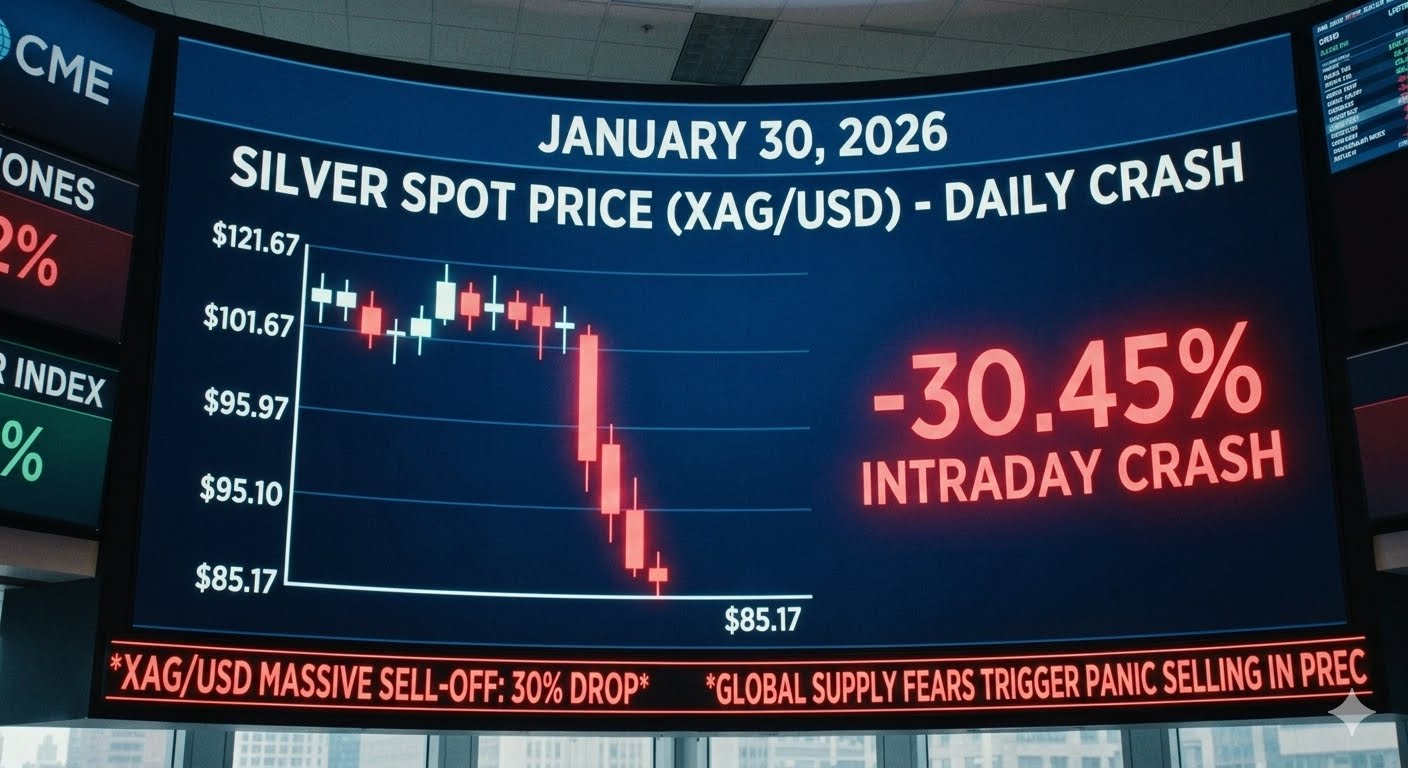
Silver had gone from roughly $70 an ounce on January 1 to a peak of about $121 on January 29. The momentum was incredible—and I was enjoying every minute of it.
But there was a warning sign I had chosen to ignore.
During my mentoring sessions at Goat Academy, I had learned that when the Relative Strength Index (RSI) of a stock or ETF approaches 80, it's time to start thinking about risk. When RSI moves above 80, a stock or ETF may be getting dangerously overextended. That doesn't necessarily mean a stock will immediately fall, but it does mean it's time to consider tightening a stop loss, reducing the number of shares, or otherwise protecting some of those hard-earned gains.
Both of my silver positions had pushed above an RSI of 80 on Wednesday night.
I saw the warning.
I just didn't think it applied.
My reasoning? Silver wasn't a company. It was a precious metal. Surely the rules were different.
That turned out to be a very expensive assumption.
On January 30, silver crashed more than 30%.
In a single afternoon, much of the gain I had spent the month building disappeared.
The lesson wasn't that RSI predicts crashes.
It doesn't.
The lesson was that when a position becomes extremely overbought, I need to respect the warning and manage my risk. A stock can keep climbing after RSI reaches 80. Since then I've seen stocks like Micron continue higher after reaching extremely high RSI levels.
But that's the exception—not a reason to ignore the risk.
My biggest mistake wasn't buying silver.
It wasn't even holding silver.
My mistake was watching the risk indicator flash red and deciding that somehow the rules didn't apply this time.
Now, when the RSI of a stock or ETF approaches or moves above 80, I don't automatically sell. But I do pay attention. I consider tightening my stop, reducing my position, or taking some profits off the table.
Because making money is only half of investing.
The other half is knowing when to protect it.
Silver taught me that lesson the hard way.
Related articles

Never Trust The First Move
You should probably not buy stocks during the first three hours of the day - unless you are a seasoned day trader.