What I Learned About Earnings Reports
How to manage the risk of holding stocks through earnings reports when prices can become extremely volatile.
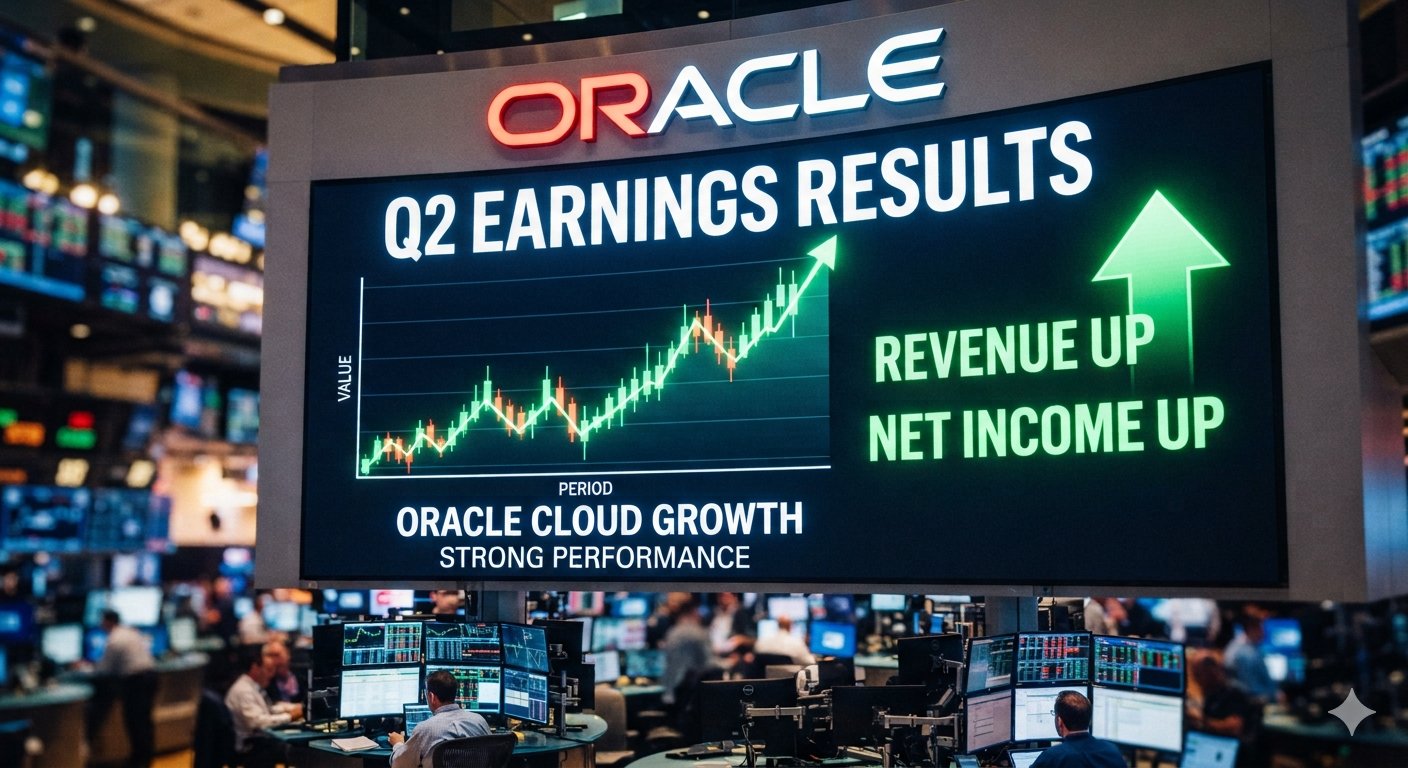
When I First Learned About Earnings Reports
About a month after I started investing in individual stocks, I noticed that Oracle shot up more than 20% in just two days. I owned Oracle at the time, so I was pretty excited about the sudden gain. It was June 2025, and that’s when I first learned about earnings reports.
At the time, I got the false idea that a positive earnings report meant a stock would automatically shoot up.
After buying a couple more stocks right before earnings, I quickly learned that wasn’t the case.
Some Important Lessons
A stock’s price can shoot up or down dramatically after quarterly earnings are announced.
Earnings reports are usually released either before the market opens or after the market closes. That elevates the risk since traditional stop-loss order will not protect you from a major price move caused by an earnings announcement that occurs either pre-market or after hours.
But here’s the part that surprised me most:
A stock’s reaction to earnings depends more on how investors respond to the report than on whether the earnings numbers themselves are good or bad.
A company can report strong earnings and still see its stock price fall, even a highly successful company like Microsoft, Nvidia, or Palantir.
For example, investors may be disappointed with the company’s future guidance, revenue projections, or something management says during the earnings call. The numbers can look good, but investors may be looking ahead to what comes next.
Have a Plan Before Earnings
This means I need to pay attention to upcoming earnings reports for the individual stocks I own. Earnings dates are usually shown on most technical charting platforms.
My mentor at GOAT Academy taught me to plan ahead and use a consistent rule rather than making an emotional decision when earnings approach.
There are several ways to manage the risk:
- Keep 100% of the position through earnings.
- Sell 50% of the position before earnings.
- Sell 100% of the position before earnings.
The important thing is to pick a strategy and follow it consistently for all stocks. Over time, a consistent approach can help even out the impact of earnings surprises rather than forcing me to guess what will happen with every individual stock. If I try to predict the outcome each time, I’m essentially guessing and I risk being wrong more often than I’m right.
That doesn’t mean a consistent rule will prevent losses. It simply keeps me from constantly trying to predict something that is difficult to predict.
Don't Buy Right Before Earnings
I also learned to avoid buying a stock within about a week of its earnings report.
If I really like a stock but earnings are coming up soon, I know it's better to wait. Even if another stock in the same sector received a positive reaction to its earnings, that doesn’t mean the company I want to buy will have the same experience.
Instead of guessing how investors will react to the report, I've learned to watch what happens after the announcement and then decide whether I still want to own the stock.
Earnings reports can create some of the biggest short-term moves in individual stocks. But I've learned not to try and predict the unpredictable. I just have a consistent plan for managing the risk and evening things out over time
Related articles
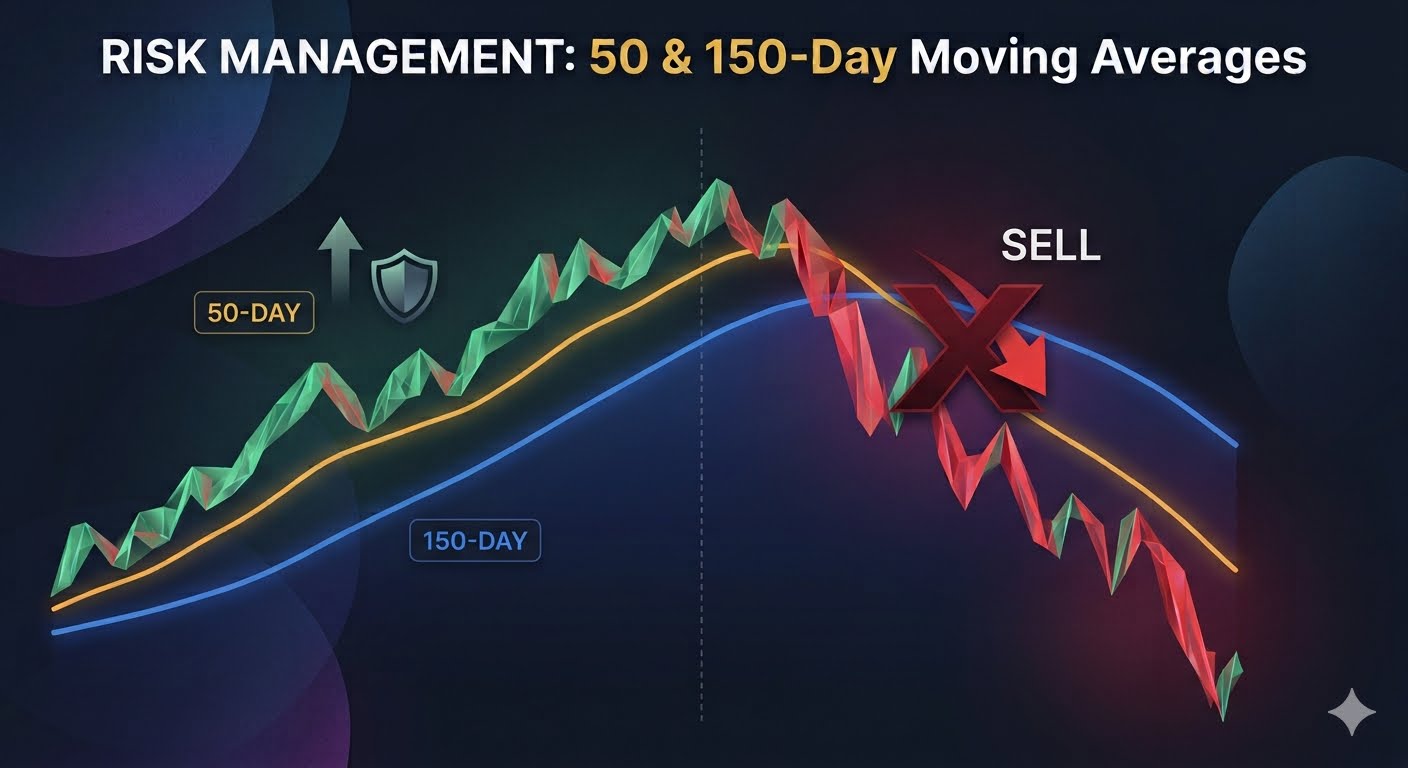
Knowing When to Sell: Using the 50-Day and 150-Day Lines to Protect Profits and Limit Losses
How to use moving averages as risk management tools.

Beyond the Hype: What SpaceX Can Teach Us About the Risks of Buying an IPO
Why everyday investors lost money on the SpaceX IPO.
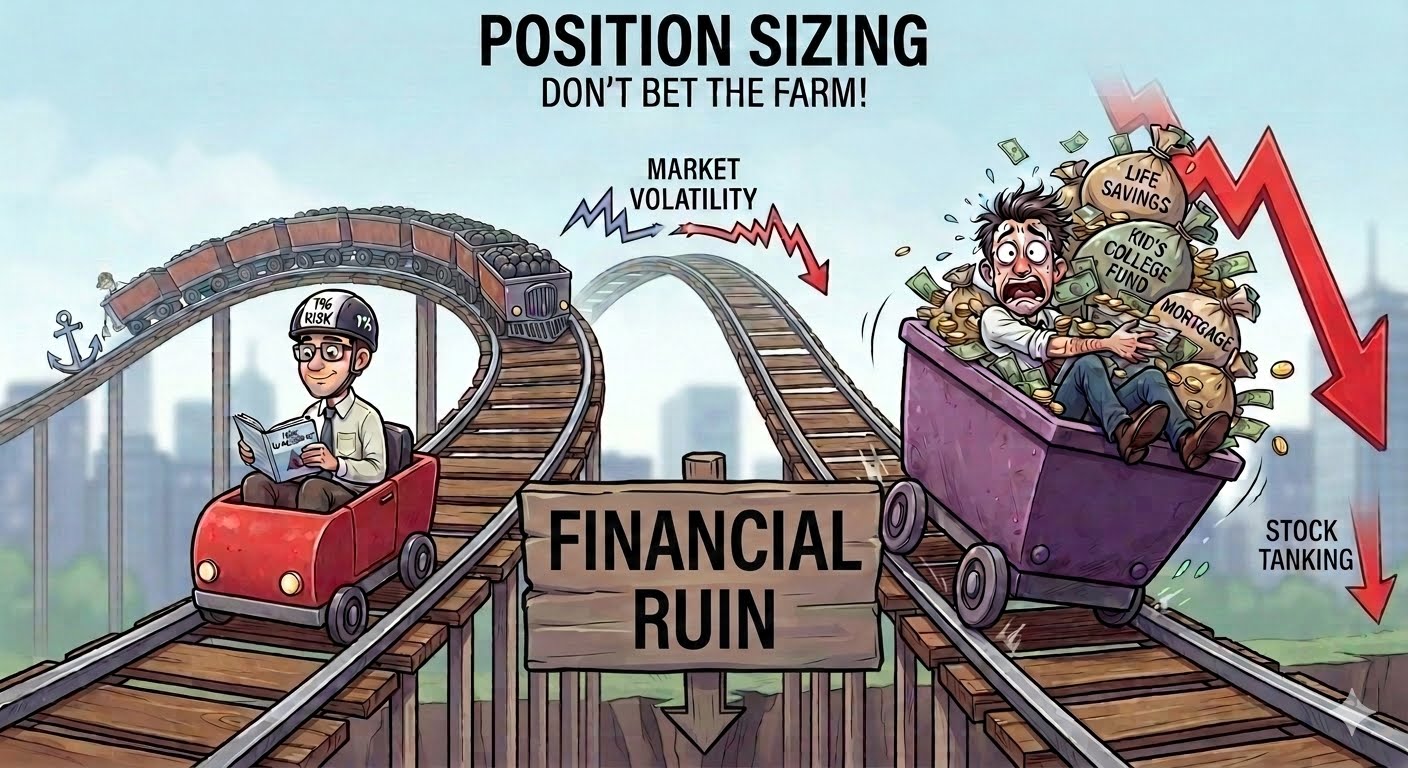
Position Sizing: Another Powerful Risk Management Tool
Why knowing how much to buy and how much you are willing to lose may be one of the most important skills for surviving in the stock market.