Stop-Loss Orders: Your #1 Risk Management Tool
How to Protect Your Gains and Keep Your Losses Small
Manage Risk with Strategy Not Emotion
Why Use a Stop-Loss Order?
I still remember watching the market fall after Trump announced sweeping tariffs in April 2025. The S&P 500 and NASDAQ both experienced significant declines between April 3–4. At the time, my portfolio was invested entirely in SPY and QQQ, which track these major market indices.
The market eventually recovered and went on to reach new highs. But I often think about a different scenario: What if I had avoided the worst of the decline in the first place?
What if I had sold my shares before the market fell sharply, then bought them back near the bottom as the market began to recover? Instead of simply waiting for my portfolio to recover its losses, I could have been earning new profit as SPY and QQQ climbed back toward their previous prices.
That's where stop-loss orders come in.
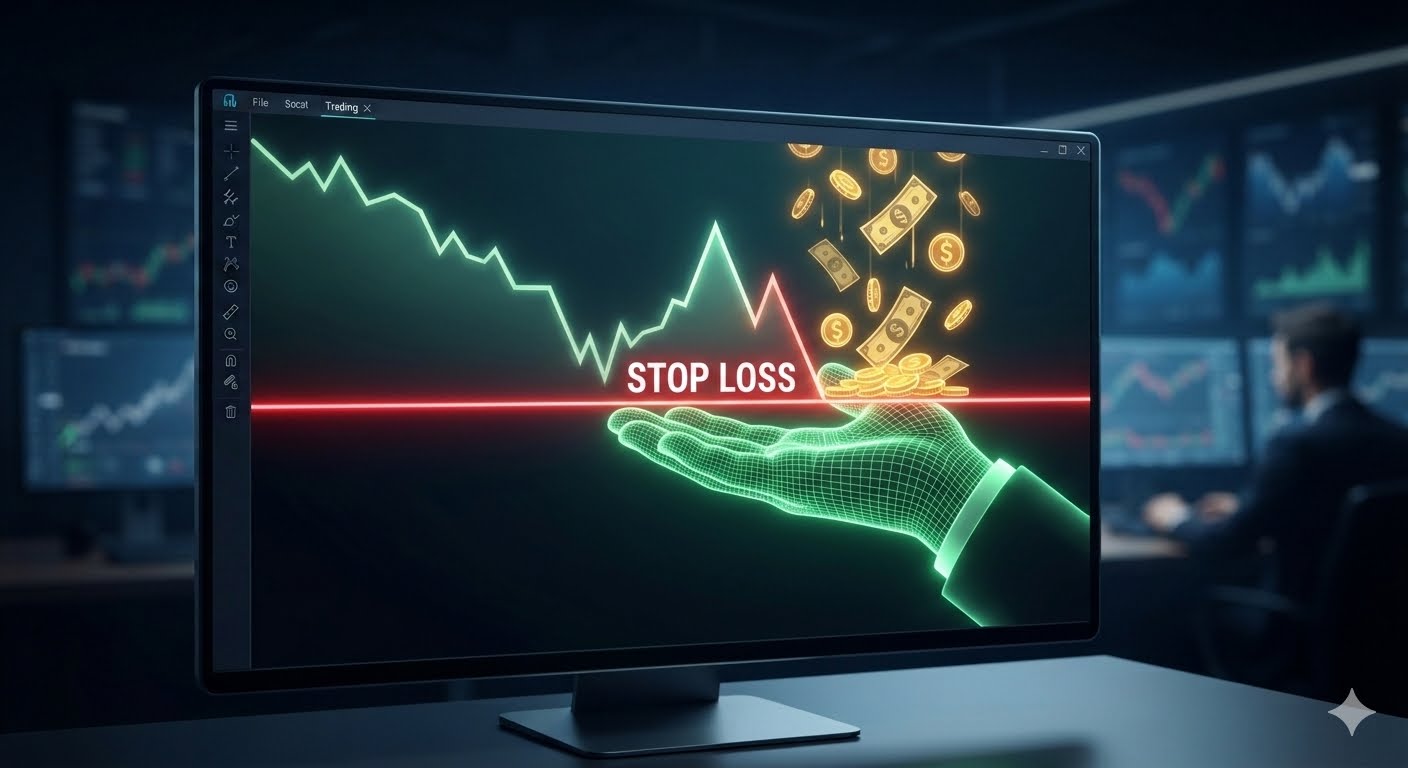
A stop-loss order is designed to automatically sell a stock or ETF when its price falls to a predetermined level. This can help limit losses and protect gains without you having to constantly monitor the market.
Two Common Types of Stop-Loss Orders
Most trading platforms offer at least two common types of stop-loss orders:
- Regular Stop-Loss Order
A regular stop-loss order is set at a specific price below the current market price. If the stock or ETF falls to that price, the stop is triggered and an order is placed to sell the position. The stop price remains fixed unless you manually change it. - Trailing Stop-Loss Order
A trailing stop-loss order is designed to move with the price of the stock or ETF. Instead of setting a fixed stop price, you specify either a dollar amount or a percentage below the current market price. As the stock price rises, the trailing stop rises with it, helping protect an increasing portion of your gains. If the stock subsequently falls by the specified amount, the stop is triggered and an order is placed to sell.
Both regular and trailing stop-loss orders can generally be set using either a specific dollar amount or a percentage. For example, you could set a stop $5 below the current price or a trailing stop 5% below the current price.
Where Should You Set Your Stop-Loss?
One of the most important questions is where to set the stop.
My mentors at Goat Academy have taught me to set stop-loss orders at 2–2.5 times the Average True Range (ATR) of a stock or ETF.
ATR is an indicator that measures how much a stock or ETF typically moves in a single trading day.
For example, if SPY has a 14-day ATR of $7, that means SPY has been moving about $7 per day, on average, based on its recent trading ranges. It doesn't mean SPY will necessarily move $7 tomorrow, and it doesn't indicate whether the move will be up or down.
Because stocks naturally fluctuate from day to day, setting a stop-loss too close to the current price can result in being stopped out by normal market volatility. The stock may experience an ordinary down day, trigger your stop, and then turn around and continue higher, leaving you on the sidelines.
Setting the stop at 2–2.5 times the ATR gives the investment more room to experience its normal fluctuations. The idea is to avoid selling because of an ordinary pullback while maintaining protection if the decline becomes significant.
The Goal: Manage Risk with Strategy Instead of Emotions
A stop-loss order isn't designed to prevent every loss. No risk-management strategy can do that.
Instead, the goal is to give your investment enough room to move normally while having a predetermined exit point if the decline becomes too large.
For me, stop-loss orders provide something else that is just as important: discipline. Rather than selling in a moment of panic as the market is falling, I can establish my exit strategy in advance and let the trade execute according to a plan.
That's the real value of a stop-loss order: it helps turn risk management from an emotional decision into a predetermined strategy.
Related articles
What I Learned About Earnings Reports
How to manage the risk of holding stocks through earnings reports when prices can become extremely volatile.
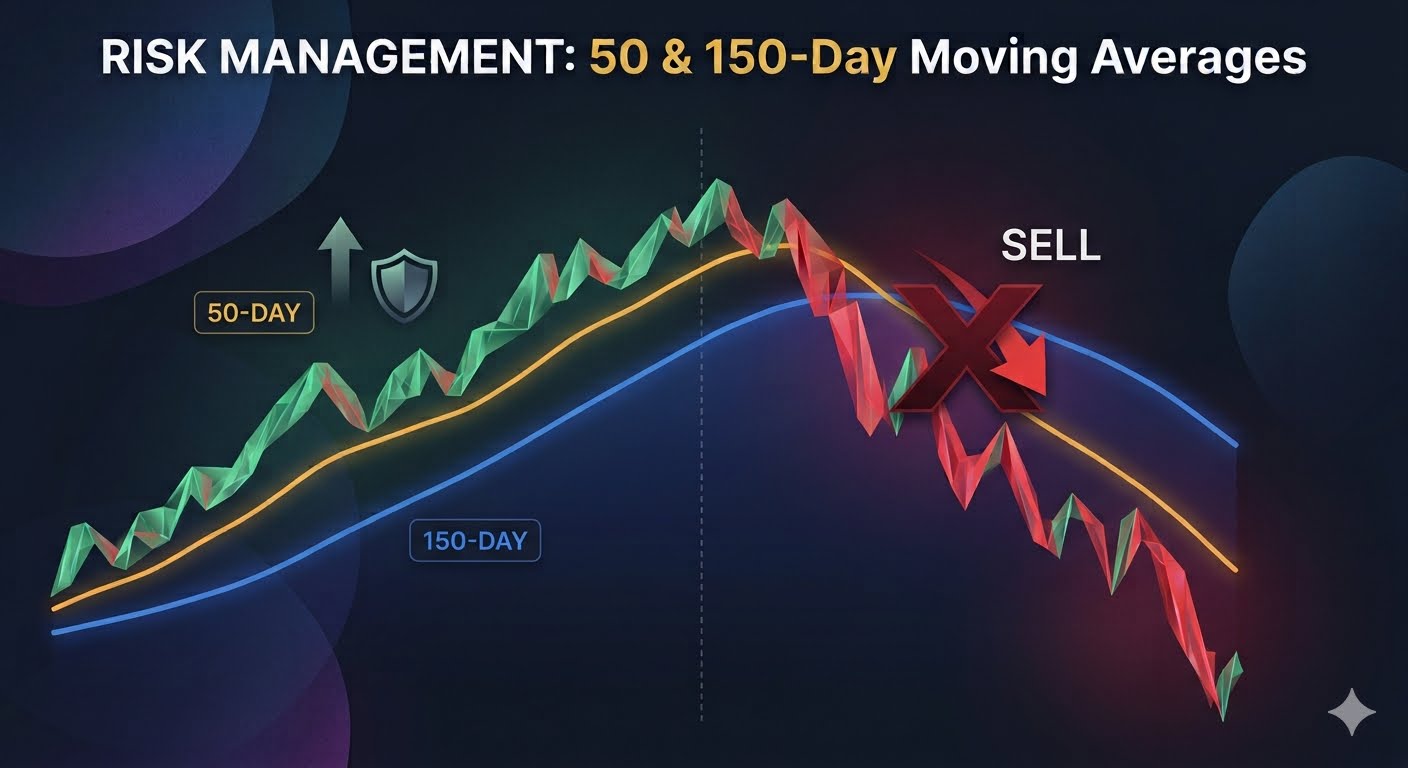
Knowing When to Sell: Using the 50-Day and 150-Day Lines to Protect Profits and Limit Losses
How to use moving averages as risk management tools.

Beyond the Hype: What SpaceX Can Teach Us About the Risks of Buying an IPO
Why everyday investors lost money on the SpaceX IPO.